 11
11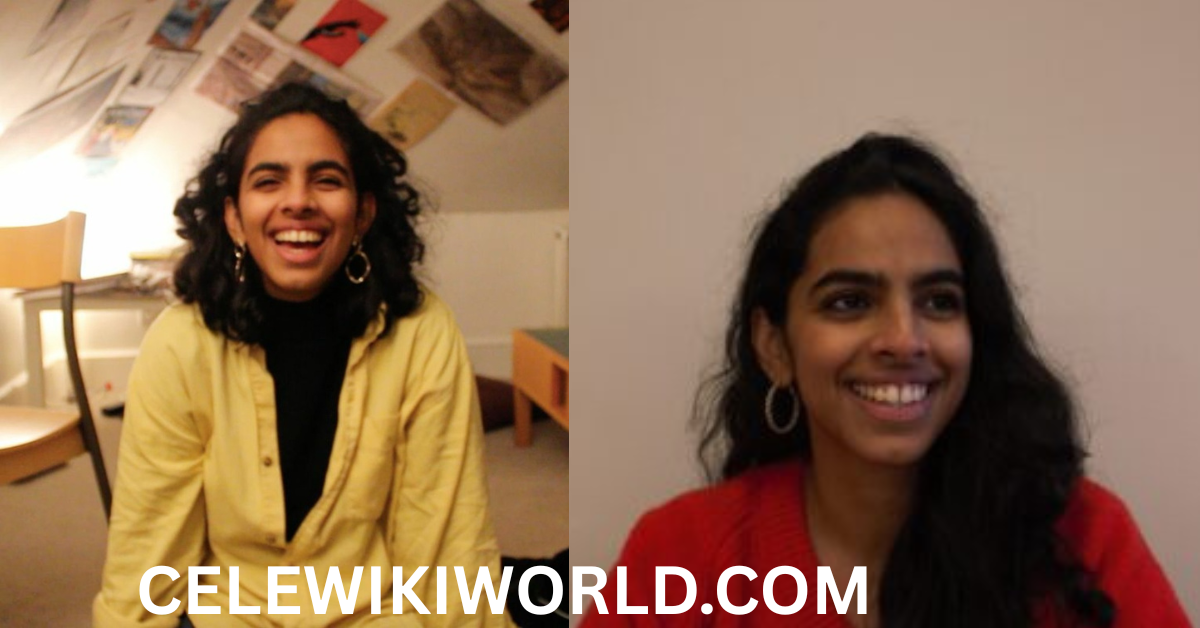
In today’s fast-moving digital landscape, information spreads at unprecedented speed—but so does misinformation. From viral war footage to misleading social media posts, the challenge is no longer just reporting the news, but verifying what is real. This is where journalists like Merlyn Thomas play a critical role.
As part of BBC News’ specialist verification unit, she works at the intersection of journalism, technology, and investigation—helping audiences distinguish fact from fiction in an increasingly complex media environment.
This in-depth guide explores Merlyn Thomas’s career, background, journalism style, and frequently searched topics, while also examining why her work is so important in modern media.
| Field | Details |
| Full Name | Merlyn Thomas |
| Profession | Journalist, Senior Reporter |
| Organization | BBC News (BBC Verify) |
| Nationality | British |
| Education | University of Cambridge |
| Degree | French & Arabic |
| Languages | English, French, Arabic |
| Known For | Fact-checking, OSINT, investigative journalism |
| Career Focus | Misinformation, digital verification |
| Joined BBC | Around 2019 |
| Relationship Status | Not publicly disclosed |
| Parents | Not publicly disclosed |
| Ethnicity | Not publicly confirmed |
| Social Media | X (Twitter), professional platforms |
Merlyn Thomas is a British journalist and Senior Reporter at BBC News, best known for her work with BBC Verify—a unit dedicated to fact-checking and digital investigations.
Her role involves analyzing online content, verifying user-generated material, and uncovering the truth behind viral claims. In an era where misinformation can influence millions within minutes, her work is not just relevant—it is essential.
Unlike traditional reporters who primarily gather information from direct sources, Merlyn Thomas often works with digital evidence, using advanced techniques to confirm the authenticity of images, videos, and online narratives.
Merlyn Thomas built her career within one of the world’s most respected news organizations—the BBC. Over time, she developed a reputation for accuracy, analytical thinking, and investigative depth.
Like many journalists, she began with foundational reporting roles, gradually gaining experience in research, storytelling, and news analysis. Her attention to detail and ability to handle complex information set her apart early on.
Her transition into BBC Verify marked a significant step in her career. This unit focuses on verifying information in real time, particularly during breaking news events.
At BBC Verify, her responsibilities include:
Her work often contributes to major global news stories, where accuracy is critical and misinformation can have serious consequences.
BBC Verify is a specialized division within BBC News designed to combat misinformation and provide transparent, evidence-based reporting.
In the past, journalists primarily reported events after confirming them through traditional sources. Today, however, information often emerges first on social media—uncurated and unverified.
BBC Verify addresses this challenge by:
Journalists like Merlyn Thomas are central to this mission, helping audiences understand not just what is true, but how it is proven.
As of now, Merlyn Thomas’s exact date of birth has not been publicly disclosed. However, based on her education timeline and career progression, she is estimated to be in her late 20s to early 30s.
Like many journalists working in high-profile or sensitive fields, she maintains a level of privacy around personal details such as age, family background, and relationships. This is a common practice, particularly for professionals involved in investigative reporting and misinformation analysis.
It is important to rely on verified information rather than speculation. Until Merlyn Thomas publicly confirms her age, any specific number should be treated as an estimate rather than a confirmed fact.
Despite the limited public details about her age, her work and professional achievements reflect significant experience in modern journalism, particularly in the rapidly evolving field of digital verification.
One of the most important aspects of her work is the use of OSINT—Open-Source Intelligence.
This refers to collecting and analyzing publicly available data to uncover facts. It has become a powerful tool in modern journalism.
These methods allow journalists to verify content even when they are not physically present at the scene—especially important in war zones or restricted areas.
Merlyn Thomas’s work reflects a new kind of journalism—one that blends traditional reporting with digital investigation.
Evidence-Based Reporting
Her work is grounded in verifiable data rather than speculation.
Clarity in Complexity
She explains complex verification processes in ways that are accessible to general audiences.
Focus on Accuracy
In high-pressure situations, accuracy is prioritized over speed.
Adaptability
She operates effectively in a constantly evolving digital environment.
While specific reports may vary, her work generally focuses on:
These areas are particularly vulnerable to misinformation, making verification journalism essential.
Merlyn Thomas studied at the University of Cambridge, one of the world’s leading academic institutions. She pursued a degree in French and Arabic, equipping her with strong linguistic and analytical skills.
Her education likely contributed to:
These qualities are evident in her investigative approach to journalism.
One of the most searched aspects of Merlyn Thomas is her personal life—but there is very little publicly available information.
This level of privacy is intentional and common among journalists working in sensitive or high-risk areas.
Merlyn Thomas maintains a professional online presence, primarily focused on her journalism work.
X (formerly Twitter)
She shares updates, reports, and insights into ongoing investigations.
Professional Profiles
Her career and achievements are reflected on platforms like LinkedIn and media directories.
Her online activity is largely professional rather than personal, aligning with her role as a journalist.
Some users mistakenly search for “Thomas Merlyn” instead of Merlyn Thomas.
This confusion arises because:
Understanding this distinction helps avoid misinformation—ironically, the very issue her work addresses.
There is no publicly verified information about Merlyn Thomas’s partner or relationship status. She has not shared any details about a husband, boyfriend, or significant other in the public domain.
As a journalist working in investigative and verification roles, maintaining privacy is often a deliberate choice. Professionals in this field frequently keep their personal lives separate from their work, particularly when covering sensitive topics such as misinformation, conflict, and global affairs.
Until Merlyn Thomas chooses to disclose information about her personal relationships, any claims regarding her partner should be considered unconfirmed. Her public profile remains focused on her journalism and contributions to BBC Verify rather than her private life.
Journalism is evolving rapidly. The rise of social media, artificial intelligence, and digital manipulation has changed how news is created and consumed.
Merlyn Thomas represents this transformation through:
Her work highlights a shift from simply reporting events to actively validating reality.
Working in this field comes with unique challenges:
Exposure to Disturbing Content
Verifying war footage and crisis events can be emotionally demanding.
Time Pressure
Information must be verified quickly during breaking news situations.
Online Harassment
Journalists in this field may face criticism or targeted attacks.
High Stakes
Errors can damage credibility and spread misinformation.
Despite these challenges, professionals like Merlyn Thomas continue to play a vital role in maintaining trust in media.
Given her career trajectory, Merlyn Thomas is likely to gain further recognition in the coming years.
Possible developments include:
As verification journalism becomes more important, her expertise will only grow in relevance.
Merlyn Thomas is a British journalist and Senior Reporter at BBC News, known for her work in fact-checking, OSINT investigations, and combating misinformation.
She is from the United Kingdom.
She is known for verifying viral content, analyzing misinformation, and contributing to BBC Verify’s investigative reporting.
There is no publicly available information about her husband or partner.
As of now, she does not have an official Wikipedia page.
BBC Verify is a unit within BBC News that focuses on fact-checking, digital investigations, and verifying online information.
OSINT (Open-Source Intelligence) involves using publicly available data—such as social media, satellite images, and videos—to verify information.
It helps prevent the spread of misinformation and ensures that audiences receive accurate, trustworthy news.
Merlyn Thomas is part of a new generation of journalists redefining how news is reported and verified. In a world where misinformation spreads rapidly, her work at BBC Verify demonstrates the importance of accuracy, transparency, and evidence-based reporting.
While she keeps her personal life private, her professional contributions speak volumes. Through the use of OSINT, digital analysis, and investigative techniques, she helps ensure that truth remains at the center of public discourse.
As journalism continues to evolve, figures like Merlyn Thomas will play an increasingly important role in shaping the future of reliable news.