 11
11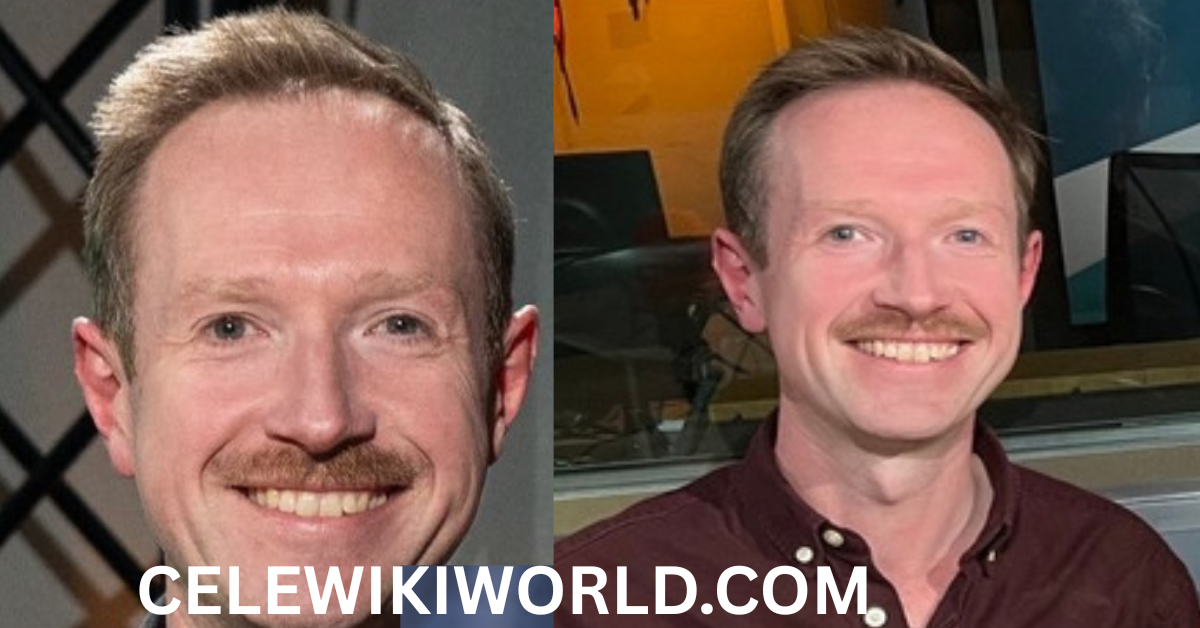
Political journalism in the United Kingdom has changed significantly over the past decade, especially with the rise of podcasts, digital broadcasting, and real-time political coverage. Among the journalists who successfully adapted to this modern media environment is Adam Fleming.
Best known for his work with BBC News, Fleming became a familiar figure during the Brexit years, when audiences relied heavily on political reporters to explain fast-moving developments in Westminster and across Europe. His calm presentation style and ability to simplify complicated political issues helped him build a strong reputation among viewers and podcast listeners.
Today, he remains one of the BBC’s most recognised political broadcasters across television, radio, and digital media.
Adam Fleming was born in Glasgow, Scotland, where he spent his early years before later moving into journalism and broadcasting.
Growing up in Scotland helped shape his early interest in current affairs and politics. During his school years, he developed strong communication skills and a growing curiosity about media and public affairs.
Although Fleming is now widely recognised across British broadcasting, his path into journalism began through academic study and student media involvement rather than celebrity exposure.
Fleming attended the University of Oxford, where he studied geography.
While at university, he became involved in student journalism, which played an important role in developing his reporting and editorial abilities. Working on student publications gave him practical newsroom experience before entering professional broadcasting.
After university, he continued developing his journalism skills through professional broadcast journalism training in London.
This combination of academic education and media training helped prepare him for television and political reporting roles in the years ahead.
Before joining national broadcasting, Fleming worked in journalism roles that helped him gain practical newsroom experience.
His early work included:
These experiences helped him learn how to work under pressure while reporting on developing news stories.
As television and digital media expanded, journalists with strong communication skills became increasingly valuable. Fleming’s ability to explain political stories in a straightforward and accessible way helped him stand out in the industry.
After joining BBC News, Fleming gradually moved into larger political reporting positions.
Over time, he covered major national and international political stories, including:
His reporting style helped audiences understand political developments without relying on overly technical language.
Rather than focusing on dramatic presentation, Fleming became known for calm analysis and clear explanation.
This approach helped him build trust among viewers looking for reliable political coverage.
The Brexit period became one of the most important stages of Fleming’s journalism career.
As negotiations between the United Kingdom and the European Union dominated headlines, audiences searched for journalists who could explain the political process clearly.
Fleming regularly reported on:
His reporting helped simplify highly complicated political developments for mainstream audiences.
During this time, his media profile increased significantly as political reporting became one of the most heavily consumed news categories in the UK.
Many viewers began recognising him not only from television broadcasts but also from digital and podcast platforms.
Fleming became especially popular through the BBC political podcast Brexitcast.
The programme combined:
Its conversational style helped attract listeners who preferred a more relaxed approach to political journalism.
After Brexitcast evolved, Fleming continued as a key presenter on Newscast.
The podcast expanded beyond Brexit coverage and focused on wider political and global news topics.
This transition reflected broader changes in how audiences consume journalism today, especially through mobile and on-demand platforms.
One reason for Fleming’s popularity is his ability to explain complicated political topics in simple language.
Political reporting can often feel difficult for general audiences, but his style focuses on clarity rather than jargon.
Unlike traditional broadcasters who mainly appeared on television, Fleming works across:
This flexibility has helped him reach wider audiences.
His measured delivery style also appeals to viewers during politically stressful events, particularly during election periods and constitutional debates.
As his public profile grew, online curiosity about his personal life increased as well.
Many people search for information related to:
However, Fleming has largely kept his private life away from public attention.
Unlike some media personalities who frequently share personal updates online, he rarely discusses private matters publicly.
Because of this, much of the speculation surrounding his relationships remains unconfirmed.
Fleming represents a newer generation of political journalists who communicate across multiple media formats.
Today, audiences consume political news through:
Journalists who can adapt to these changing habits have become increasingly influential.
His work on political podcasts demonstrated that serious journalism could still feel conversational and accessible without losing credibility.
This style helped attract younger audiences who may not regularly watch traditional television news programmes.
Within British media, Fleming is respected for:
His continued presence at the BBC reflects his strong reputation in political journalism and broadcasting.
Adam Fleming has built a successful career through clear political reporting, strong communication skills, and adaptability across modern media platforms.
From his academic years at Oxford to becoming one of the BBC’s most recognised political broadcasters, his journey reflects the changing nature of journalism in the digital age.
His coverage during Brexit, combined with the success of podcasts like Brexitcast and Newscast, helped establish him as an important voice in British political media.
Although public curiosity about his personal life continues, his professional reputation remains rooted in journalism, political analysis, and audience trust.
Adam Fleming is a Scottish journalist and political broadcaster best known for his work with BBC News and political podcasts.
He is widely known for covering British politics, Brexit developments, and presenting political analysis across television, radio, and podcasts.
He became popular through Brexitcast and later continued presenting Newscast.
He was born in Glasgow, Scotland.
He studied geography at the University of Oxford.
Adam Fleming keeps his private life away from public discussion, and there is no widely confirmed public information regarding his marital status.
His reporting during Brexit helped audiences understand complicated political negotiations and developments between the UK and the European Union.

One thought on “Who Is Adam Fleming? Inside the Career and Public Life of the BBC Political Journalist”