 11
11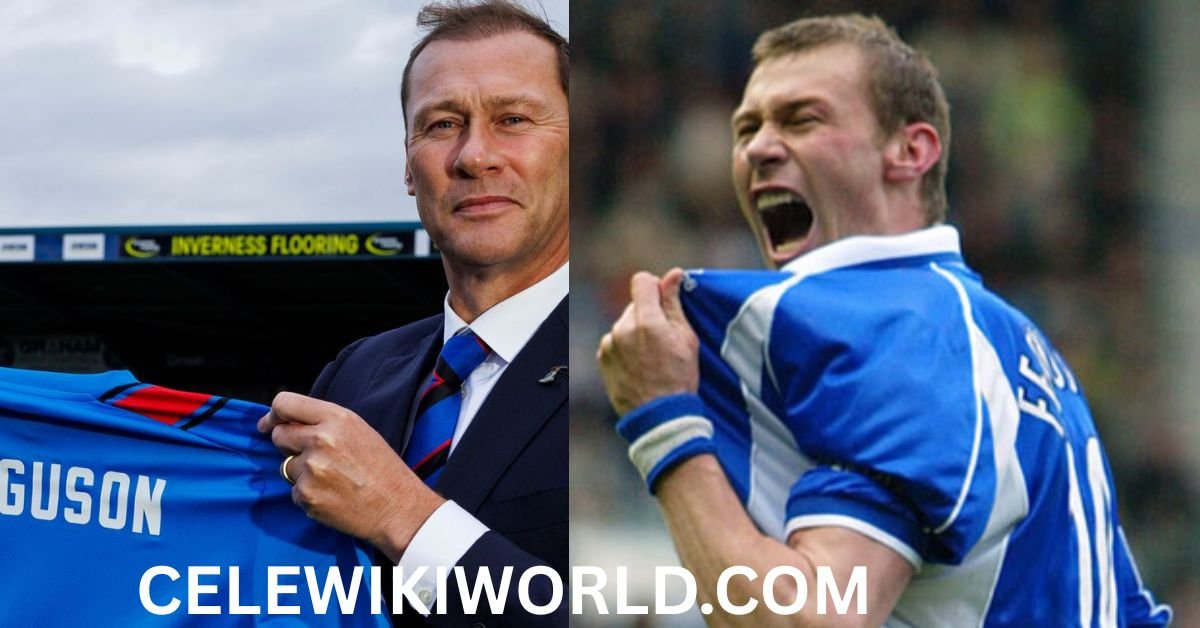
Few players in modern football have inspired fear, loyalty, and chaos in equal measure like Duncan Ferguson. Towering, aggressive, and unapologetically emotional, he wasn’t just a striker — he was an experience. For supporters, especially at Everton F.C., Ferguson represented something rare: raw, unfiltered passion in an increasingly polished game.
Born on 27 December 1971 in Stirling, Ferguson’s journey began far from glamour. His early life shaped the edge he carried into football — a style that always felt closer to street battles than academy precision.
He came through the ranks at Dundee United F.C., making his senior debut in 1990. It didn’t take long for him to stand out. He wasn’t just scoring goals — he was overwhelming defenders with physical dominance, aerial power, and relentless intensity.
By the early 1990s, he had become one of Scotland’s most talked-about young forwards.
In 1993, Ferguson’s rising reputation earned him a £4 million transfer to Rangers F.C. — a British record fee at the time. Expectations were enormous, but his time there became defined by one infamous moment.
During a match against Raith Rovers F.C., Ferguson headbutted defender John McStay. The incident led to a three-month prison sentence in 1995 — an extraordinary and controversial event in football history.
It didn’t just affect his career; it shaped his public image permanently. He became known as football’s ultimate enforcer — admired and criticized in equal measure.
Duncan Ferguson, often nicknamed “Big Dunc,” was known for his imposing physical presence on the pitch. He stands at 6 feet 4 inches (1.93 meters) tall, making him one of the tallest strikers of his era. During his professional career, his weight typically ranged between 84.8 kg and 92 kg (around 13 stone 5 pounds). This combination of height and strength played a crucial role in his aggressive, aerial style of play, helping him dominate defenders and become a cult hero at Everton.
If Ferguson belonged anywhere, it was Everton.
He first joined on loan in 1994 before making the move permanent. Across two spells — interrupted by a stint at Newcastle United F.C. — he built a bond with Everton fans that went far beyond statistics.
At Goodison Park, he wasn’t just a player. He was a symbol.
He scored 68 Premier League goals — still the highest by a Scottish player — but numbers alone don’t explain his legacy. Ferguson could change the energy of an entire stadium with a single challenge or header.
As of late 2024, Duncan Ferguson made headlines for choosing to work without pay while managing Inverness Caledonian Thistle F.C. during a financial crisis. He had initially earned around £3,000 per week, but accepted significant cuts—first by 40%, then down to roughly £1,200—before eventually giving up his salary entirely to support the club. This decision highlighted his commitment to football beyond money. Earlier in his career, particularly in the 1990s, Ferguson was among the higher-paid players in English football, reportedly earning around £28,000 per week at his peak.
Ferguson’s playing style defied modern expectations.
In an era before pressing systems and tactical rigidity dominated, he thrived on instinct and confrontation. He welcomed physical duels and often turned matches into personal battles.
But that intensity came at a cost:
Yet this unpredictability is exactly why fans loved him. He wasn’t safe or controlled — he was real.
One of the defining moments of his career came in 1995 when Everton lifted the FA Cup.
Ferguson played a crucial role in that run, embodying the team’s fighting spirit. That victory remains one of Everton’s most cherished modern achievements — and Ferguson was at the heart of it.
After retiring in 2006, Ferguson didn’t walk away from football. Instead, he deepened his connection with Everton, joining the coaching staff in 2014.
He later stepped in as caretaker manager — twice — proving he could inspire players just as he once intimidated defenders.
His managerial journey continued with:
While results were mixed, his willingness to step into challenging roles showed the same courage that defined his playing days.
Duncan Ferguson is married to Janine Ferguson.
She has largely stayed out of the public spotlight, maintaining a private life despite Ferguson’s high-profile football career. Together, they have three children and have been known for keeping their family life relatively low-key compared to many football personalities.
In 2022, Ferguson released his autobiography, Big Dunc.
The book offers a brutally honest look at:
It reveals a more complex figure behind the fierce public image.
Duncan Ferguson is a former Scottish professional footballer and current coach, born on 27 December 1971 in Stirling, Scotland. Known for his powerful playing style, he played as a striker for clubs including Dundee United F.C., Rangers F.C., Everton F.C., and Newcastle United F.C.. He became an Everton cult hero and won the FA Cup in 1995. After retiring in 2006, he moved into coaching and management, including roles with Everton and Inverness Caledonian Thistle, remaining a respected figure in British football history.
No, Duncan Ferguson and Alex Ferguson are not related by blood or marriage, despite sharing the same surname and Scottish background. However, they have a strong professional relationship. Sir Alex Ferguson is known to have acted as a mentor figure to Duncan during parts of his football career, offering guidance and support. Their connection comes from football rather than family ties, and both have made significant contributions to the game in different roles and eras.
Away from the pitch, Ferguson is a family man. He is married to Janine Ferguson and has three children.
This side of his life contrasts sharply with his on-field persona. It adds depth to a story often dominated by aggression and controversy.
Football today is faster, more tactical, and more controlled. Players are refined, media-trained, and carefully managed.
Ferguson was none of those things.
That’s exactly why he remains unforgettable.
He represents a version of football that felt:
For Everton fans, he isn’t just a former striker — he’s a lasting symbol of identity and fight.
Frequently Asked Questions
Duncan Ferguson is a Scottish former footballer and manager, best known as a powerful striker and cult hero at Everton.
He was born on 27 December 1971.
He played for Dundee United, Rangers, Everton, and Newcastle United.
He has worked as a coach and manager, including roles at Everton and Inverness Caledonian Thistle.
Duncan Ferguson’s career cannot be measured purely in goals or appearances. His legacy lives in moments — towering headers, fierce tackles, and the electric connection he shared with supporters.
He was never perfect. But he was never forgettable either.
And in football, that might matter more.