 11
11
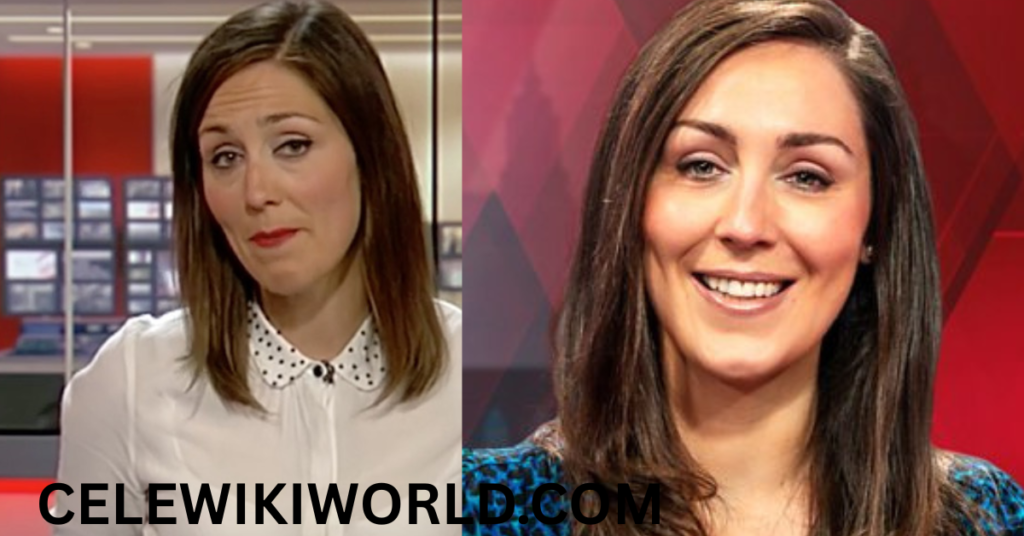
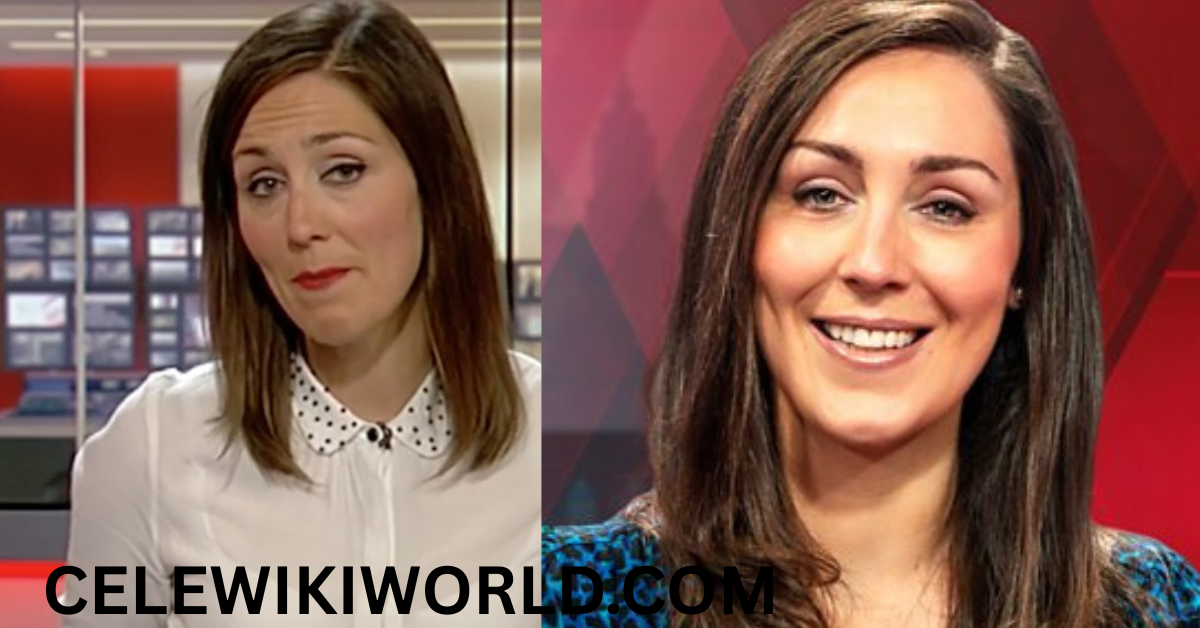
In British journalism, Sima Kotecha has earned recognition for her calm reporting style, international field coverage, and thoughtful political journalism. Over the years, she has become one of the BBC’s most trusted correspondents, reporting on everything from humanitarian crises and global conflicts to major UK political developments.
Her ability to combine factual reporting with human-focused storytelling has helped her stand out in modern broadcasting. Alongside her journalism career, public interest around Sima Kotecha’s husband, family background, religion, education, and BBC journey continues to grow online.
Here’s a detailed look at Sima Kotecha’s life, career, and growing influence in British media.
| Attribute | Details |
| Full Name | Sima Kotecha |
| Nationality | British |
| Ethnicity | British-Indian |
| Profession | Journalist and Broadcaster |
| Employer | BBC |
| Education | University of Surrey, Goldsmiths University of London |
| Known For | BBC political and international reporting |
| Specialisation | Humanitarian issues, politics, global affairs |
| Relationship Status | Private / not publicly confirmed |
Sima Kotecha is a British journalist and broadcaster best known for her work with the BBC. She has developed a strong reputation through years of reporting on political affairs, international crises, and major social issues.
Her journalism career includes coverage of:
Kotecha is widely respected for presenting difficult and emotional stories in a balanced, clear, and accessible way.
Her reporting style is often described as:
These qualities have helped establish her as one of the BBC’s most recognisable correspondents.
Sima Kotecha was born and raised in England in a British-Indian family.
Growing up in a multicultural environment gave her insight into both British society and South Asian cultural influences, perspectives that later shaped parts of her journalism career.
Although she occasionally references her upbringing and heritage in interviews, she generally keeps her family life private and avoids discussing personal matters publicly.
Her background has nevertheless contributed to her understanding of issues involving:
This broader cultural perspective has become visible in many of her reports and interviews.
Education played a major role in Sima Kotecha’s path into journalism and broadcasting.
She studied at Queen Mary’s College before continuing her education at the University of Surrey. Later, she completed postgraduate studies in Media and Communications at Goldsmiths, University of London.
Her academic background helped strengthen:
This educational foundation later supported her transition into national and international journalism.
Sima Kotecha began her journalism career in regional broadcasting before moving into larger national reporting roles at the BBC.
Over the years, she has covered a wide range of important global and domestic stories, including:
Her work has taken her to multiple international locations where she reported directly from the ground during major news events.
She later became associated with high-profile BBC current affairs coverage and political reporting, contributing to major national broadcasts and investigative journalism projects.
Kotecha’s reporting is often praised for focusing not only on political headlines but also on the human impact behind major events.
One reason Sima Kotecha is widely respected is her calm and composed reporting approach.
Unlike highly sensational reporting styles sometimes seen in modern media, Kotecha is known for:
Her ability to explain complex issues clearly has helped audiences better understand difficult global and political events.
She has also become a familiar face to BBC viewers through regular appearances on news and current affairs programmes.
Many online searches focus on Sima Kotecha’s husband or relationship status.
However, there is currently no publicly confirmed information regarding whether she is married or has a partner.
Kotecha has chosen to keep her private life separate from her journalism career and rarely discusses relationships or family matters publicly.
As a result, online rumours and speculation about her marital status remain unverified.
This level of privacy is increasingly common among journalists and broadcasters who prefer to maintain clear boundaries between professional and personal life.
Sima Kotecha is of British-Indian heritage, though she has not publicly spoken in detail about her religious beliefs.
Search interest around her religion continues online, but there is no verified public information confirming her faith.
It is important not to make assumptions about religion based solely on ethnicity or cultural background.
Throughout her career, Kotecha’s public identity has remained focused primarily on journalism, reporting, and current affairs coverage.
Like many frontline journalists, Sima Kotecha has experienced challenges while reporting in public and high-pressure environments.
In recent years, she received widespread support after experiencing racial abuse during a live reporting incident. The event sparked broader conversations about:
Despite these challenges, she has continued her work with professionalism and resilience.
Several factors contribute to Sima Kotecha’s growing public profile:
At a time when audiences increasingly seek reliable journalism and factual reporting, correspondents like Kotecha continue to gain recognition for professionalism and credibility.
She is a British journalist and broadcaster best known for her work with the BBC covering politics, global affairs, and humanitarian issues.
There is no publicly confirmed information regarding Sima Kotecha’s husband or relationship status.
She studied at Queen Mary’s College, the University of Surrey, and later completed postgraduate studies at Goldsmiths, University of London.
She is known for BBC reporting on politics, humanitarian crises, international affairs, and social issues.
She is of British-Indian heritage.
No, she has not publicly disclosed detailed information about her religious beliefs.
Sima Kotecha has built a respected journalism career through professionalism, thoughtful reporting, and consistent field coverage of major global and political events.
From international crises and UK politics to humanitarian reporting and social issues, she has become one of the BBC’s most trusted correspondents.
While public curiosity about her husband, religion, and family background continues online, Kotecha has largely chosen to keep her personal life private. Instead, her reputation has been shaped by her journalism, credibility, and ability to communicate difficult stories with clarity and balance.
As modern journalism continues to evolve, Sima Kotecha remains an important and influential voice in British broadcasting.