 11
11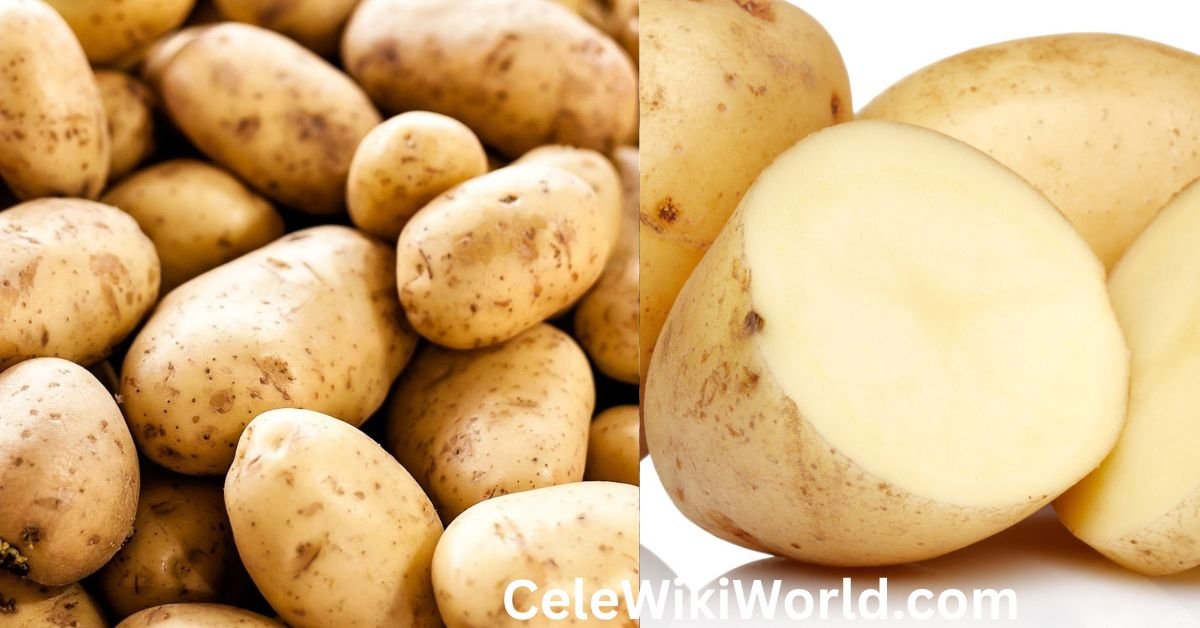
A Potatoes Shortage is not just a missing item from grocery shelves, it’s like a quiet disruption in the kitchen orchestra. From fries to curries, potatoes play a central role in daily meals across the world. When supply dips, the ripple effects touch farmers, businesses, and everyday households.
A Potatoes Shortage occurs when the supply of potatoes cannot meet market demand. This imbalance may lead to higher prices, limited availability, and reduced product options in stores and restaurants.
Several factors can lead to a shortage:
Each of these acts like a missing cog in a machine, slowing down the entire production cycle.
Climate change is becoming a major player in the Potatoes Shortage story. Unpredictable rainfall and shifting seasons make it harder for farmers to plan planting and harvesting cycles. Even a slight temperature shift can reduce crop yield significantly.
The food industry feels the shortage almost instantly:
French fries, chips, and snacks become more expensive, turning a simple side dish into a premium item.
For consumers, a Potatoes Shortage means:
It quietly reshapes eating habits without people even realizing it.
Modern agriculture depends heavily on smooth logistics. Delays in transportation, export restrictions, or fuel shortages can all contribute to a Potatoes Shortage. A problem in one country can quickly affect supply worldwide.
The economic impact goes beyond farms:
This chain reaction makes potatoes, usually a low-cost staple, unexpectedly valuable.
There are ways to reduce the impact:
Investing in agriculture innovation can help stabilize supply and prevent future shortages.
The future depends on how quickly challenges are addressed. With better technology and sustainable practices, the risk of Potatoes Shortage can be reduced. However, ignoring climate and supply issues may make shortages more frequent.
Yes, in some regions, there is currently a Potatoes Shortage due to weather conditions, supply chain disruptions, and rising farming costs.
Prices increase when supply decreases and demand remains high, which often happens during a shortage.
It depends on the cause. Weather-related shortages may last a season, while supply chain issues can resolve faster.
Farmers can reduce risks by using better seeds, modern techniques, and proper storage, but some factors like weather are uncontrollable.
Rice, pasta, sweet potatoes, and other vegetables can be used as substitutes during a shortage.
A Potatoes Shortage may seem like a small issue at first glance, but it carries wide-reaching effects across food systems and economies. From farms to dining tables, its impact is deeply connected to climate, logistics, and global demand. Addressing these challenges with smart planning and innovation can help ensure that this humble vegetable continues to remain a reliable part of everyday meals.