 11
11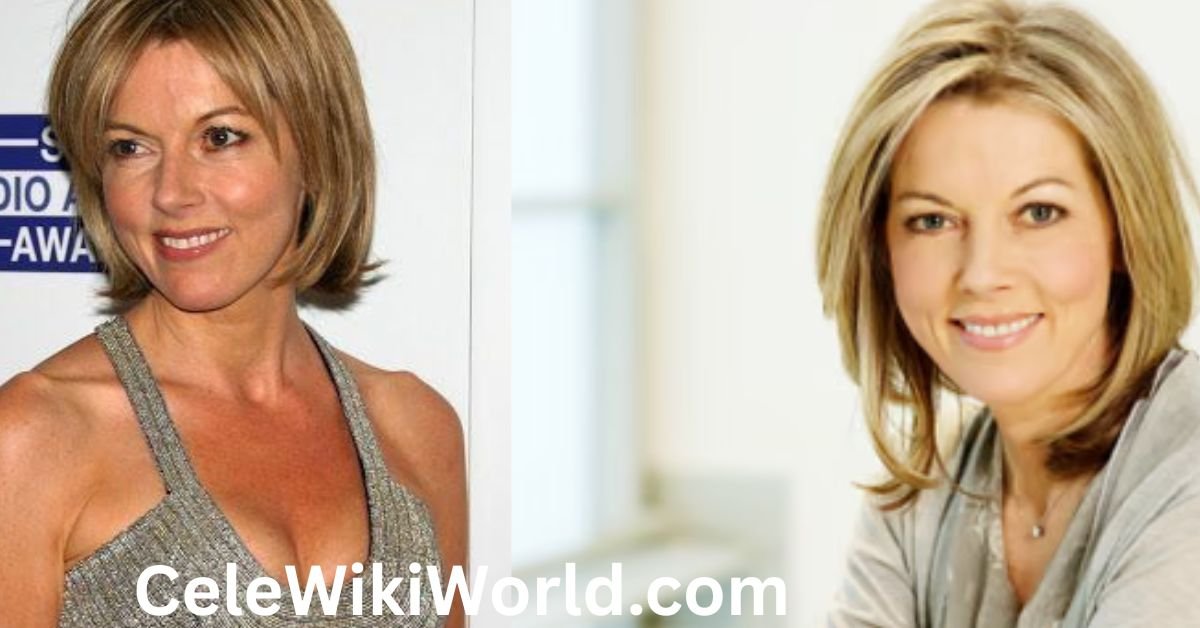
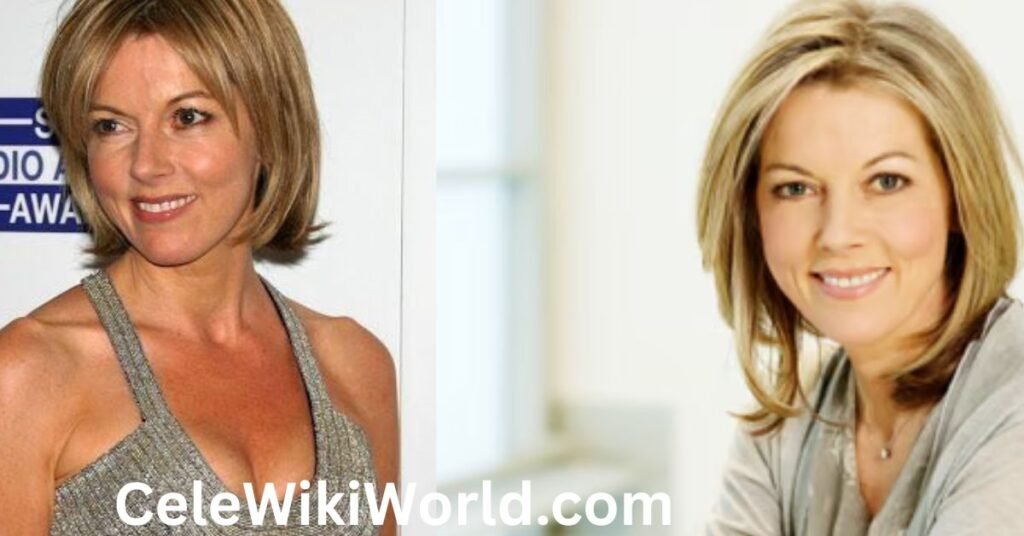
For many viewers across the UK, Mary Nightingale has long represented calm, authority, and trust on television. As the face of ITV Evening News for over two decades, her voice has been a key part of her identity on screen. Recently, however, audiences have begun noticing subtle differences, sparking curiosity around the Mary Nightingale voice change.
Rather than jumping to conclusions, this article explores what viewers are noticing, what’s actually known, and the realistic explanations behind these discussions.
Mary Nightingale is a highly respected British journalist and newsreader who has been presenting on ITV since 2001. Born in Scarborough, North Yorkshire, she has built a long-standing reputation for professionalism, composure, and reliability.
Her consistent delivery style is one of the reasons even small changes—especially in her voice—are quickly noticed by regular viewers.
You May Also Read: Katya Adler Biography: Age, Husband, BBC Career, Net Worth (2026 Updated Guide)
A frequently searched question is: How old is Mary Nightingale?
Born in 1963, she is now in her early 60s. With decades of live broadcasting experience, it’s natural for audiences to compare her current voice to earlier years, including broadcasts around 2021.
Long careers in television often bring subtle vocal changes, especially in roles that demand daily speaking under pressure.
The phrase Mary Nightingale voice change has gained traction online due to viewer observations, particularly on social media.
Some viewers have noted that her voice occasionally sounds:
These changes are not constant but appear in certain broadcasts, which has fueled ongoing discussion.
In today’s digital landscape, even minor differences don’t go unnoticed.
Short video clips shared across platforms like X (Twitter) and TikTok have amplified attention. Once a few viewers point something out, it can quickly turn into a trending topic.
Search queries such as:
often rise alongside these discussions—even when no confirmed issue exists.
While there is no confirmed medical explanation, several well-known factors can affect a broadcaster’s voice:
As people age, vocal cords lose elasticity. This can result in a slightly weaker, thinner, or rougher voice.
News presenters speak frequently, often under pressure. Continuous use can lead to temporary hoarseness.
Even a mild cold or throat infection can change voice quality for days or weeks.
A common condition among professionals who use their voice heavily. It can irritate vocal cords and cause raspiness.
These are small growths that can develop from overuse and may affect clarity and tone.
Busy schedules and live broadcasting demands can subtly impact vocal performance.
Important: These are general possibilities—not confirmed reasons in Mary Nightingale’s case.
One of the most searched topics is Mary Nightingale illness.
However, there has been no official confirmation from her or ITV regarding any health condition related to her voice.
Most claims online are based on speculation rather than verified information. This highlights how quickly assumptions can spread in the age of social media.
In early 2024, Mary Nightingale spoke out after a deepfake video using her likeness circulated online. She publicly expressed anger over the misuse of her image.
Although unrelated to her voice, this incident significantly increased public attention toward her. As a result, more viewers began analyzing her broadcasts closely—contributing to discussions about her voice.
You May Also Read:Katya Adler Biography: Age, Husband, BBC Career, Net Worth (2026 Updated Guide)
Social media platforms act as amplifiers.
A single clip showing a slightly hoarse broadcast can be shared thousands of times, creating the impression of a consistent issue—even if it was temporary.
This environment makes it difficult to separate:
Viewer reactions have been mixed.
Some express concern, wondering if the change signals a health issue. Others strongly defend her, emphasizing that her professionalism and credibility remain unchanged.
Many loyal viewers point out that:
The conversation around the Mary Nightingale voice change reflects a broader reality:
Public figures—especially broadcasters—are constantly observed and compared over time.
In an era of:
even natural, minor changes can become major talking points.
No, there has been no official statement confirming any specific issue.
She was born in 1963 and is in her early 60s.
There is no confirmed information about any illness related to her voice.
Common reasons include aging, vocal strain, minor illnesses, and vocal cord conditions.
Social media clips and discussions have amplified viewer observations, making the topic more visible.
The Mary Nightingale voice change has become a widely discussed topic driven largely by viewer observations and social media amplification. While some differences in her voice have been noticed, there is no confirmed medical explanation.
What remains clear is that Mary Nightingale continues to be one of the most trusted figures in British journalism. Her professionalism, experience, and calm delivery still define her presence—regardless of minor vocal variations over time.